While researching information on how Australia addresses issues of poverty and science advances, I came upon an article in the online newspaper “The Drum” regarding neuroscience and economists’ position on early childhood (Alberici E., 2011). This article aims at triggering the public’s attention on how the government takes time in implementing what science is crying out and loudly supported by the voice of economists such as the Nobel Prize Winner James Heckman who strongly recommends that states invest in early childhood. Heckman argues that “every dollar invested in a pre-school program generates a 17 per cent return to society” (Alberici) and that investing money later in the educational process is a waste of resources. Clearly, the reference to our functioning but antiquated school system that considers children to be ready to learn after the age of five contradicts research findings stipulating that most of brain pathways are built between 0 and 4. No doubt remains that investing in early childhood education promotes children’s success in school and represents overall savings to society.
In 2009, the Australian Early Development Index (AEDI) released that 1 in 4 kindergarteners lacked general knowledge, adequate social-emotional and cognitive skills, with deficiencies in their physical health and mental well-being (Alberici). That same year, federal and state governments united with the goal to make early childhood education accessible to all children by 2013.
Resources
Alberici, E. Early childhood education: it really is brain science. (2013). Drum. Retrieved from: : http://www.abc.net.au/news/2012-05-14/alberici-early-childhood-education/4008962
Continuing to read about EC Australia led me to Kids Matter a Washington State organization whose frameworks was used in the creation of numerous pre-schools in Australia. In 2010, the early learning framework designed by Kids Matter was applied to 100 day care centres and preschools. It is worth noting that the framework was first applied to elementary education following the old idea that children start learning at 5. However, Kids Matter Australia website puts mental health at the forefront of a sound and successful education for all children and not just for children showing signs of imbalance. Mental health is defined as “laying the foundations for the future” and it is recommended that families and professionals in the field work together to ensure that “children are mentally healthy so that they are better able to meet life’s challenges” (Kids Matter, 2012). Since Early Childhood Australia (ECA) recognized in October 2004 the original inhabitants of Australia, concern for tribal children and their families is reflected in EC programs as the ECA committed to review progress made toward helping the population out of poverty and illiteracy (ECA, inc. (2000-2013). Additionally, in Kids Matter Australian Early Childhood Mental Health Initiative’s programs page, there is a program dedicated to “Tribes Learning Communities” (Kids Matter, 2012).
Another important ECA statement concerns play-based programs. ECA recognizes science advances in brain research and points out that play must be privileged in all stages of children’s development:
Research and evidence all point to the role of play in children's development and learning across cultures (Shipley, 2008). Many believe that it is impossible to disentangle children's play, learning and development.
Brain development
While research on brain development is in its infancy, it is believed that play shapes the structural design of the brain. We know that secure attachments and stimulation are significant aspects of brain development; play provides active exploration that assists in building and strengthening brain pathways. Play creates a brain that has increased 'flexibility and improved potential for learning later in life' (Lester & Russell, 2008, p. 9).
Young children's play allows them to explore, identify, negotiate, take risks and create meaning. The intellectual and cognitive benefits of playing have been well documented. Children who engage in quality play experiences are more likely to have well-developed memory skills, language development, and are able to regulate their behaviour, leading to enhanced school adjustment and academic learning (Bodrova & Leong, 2005).
The exploration of the ECA website helped me put in perspective the traditional education still based on children ready to learn at five with science progress saying that learning starts at birth. I never realized that our school system was based on such outdated thinking. Interestingly, the “ECA’s submission to the Early Years Learning Framework” (2008) highlights that “All children have a right to their cultural strengths and identities and a right to the knowledge, skills and capabilities which will enable them to participate fully in mainstream society” and that one size fits all education is contrary to children’s rights:
It is in this context that we must place the rights of all children to a fair share of the social goods of education. We are about social justice, and that means that early childhood education has to distribute resources differentially, in order to rebalance the disadvantage of some individuals and groups. Positive discrimination practices apply to all children and early childhood educators have to move from simplistic notions of ‘treating all children the same’ to sophisticated understandings about ‘unequal treatment’ to achieve more equitable outcomes.
All children have a right to their cultural strengths and identities and a right to the knowledge, skills and capabilities which will enable them to participate fully in mainstream society: ‘keep kids strong in culture while they’re learning’ as one respondent group to the EYLF consultation said. It is important to recognize that ‘identity’ is not a static concept and that the power lies in enabling children to use different cultural resources in different circumstances and to continually construct ‘identities’ that give them the best chance to live constructive and fulfilling lives.
Resources
Kids Matter. (2012). Australian Early Childhood. Retrieved from:
http://www.kidsmatter.edu.au/early-childhood/faqs
ECA. (2000-2013). A Voice for Young Children. Retrieved from:
http://www.earlychildhoodaustralia.org.au/position_statements/a_statement_of_regret_and_commitment_to_aboriginal_and_torres_strait_islander_children_and_families.html
Kids Matter. (2012) Programs Search. Retrieved from:
https://www.kidsmatter.edu.au/early-childhood/resources-support-childrens-mental-health/programs/programs-guide-search
Shipley, D. (2008). Empowering children. Play based curriculum for lifelong learning.(Fourth edn). USA: Nelson Education
Lester, S. & Russell, S. (2008). Play for a change. Play policy and practice: A review of contemporary perspectives. Play England. Retrieved 21.6.2010 from http://www.worldleisure. org/pdfs/Copy%20of%20book_rev_play_for_change.pdf
Bodrova, E. & Leong, D. J. (2005). Uniquely preschool: What research tells us about the ways young children learn. Educational Leadership, 63(1), 44-47.
ECA’s submission to the Early Years Learning Framework. (2008). Retrieved from: www.earlychildhoodaustralia.org.au/pdf/.../early_learning_framework.pdf
Saturday, February 2, 2013

Saturday, January 26, 2013
Getting to Know Your International Contacts - Part 1
How incredibly exciting! This week, I received an email from Cyle Nielsen! Not only did she agree to share her expertise in the field of early childhood but also forwarded my message to 2 other professionals. Below is her response:
From Cyle Nielsen de Aquino
Hola, Marie,
I forwarded your request to Claudia and Hrna. Mercedes, the 2 coordinators for Pastoral del Nino. Claudia represents Pastoral de la Crianca, which is out of Brazil, but is working with Pastoral del Nino and has an office in Asuncion. They are very busy. Mercedes does not speak English. Claudia does. I am currently in the states, but if it would help, I would be more than willing to talk with you. Na Elizabeth is in Asuncion, is still in touch with Pastoral del Nino and currently works with a small program for children who have parents working in the streets in Asuncion. There are a lot of programs, as you can imagine, but I'm not sure which other ones are functioning. There has been a lot of turmoil within various organizations and the government itself in Paraguay. Let me know if you need other contacts. I may be able to connect you with someone else, if necessary (though Pastoral is wonderful!)
I'm glad you are in ECE. It's super important! We will eventually be back in Paraguay if you are ever interested in a first-hand experience.
Blessings in your studies.
Cyle
To fulfill this week’s requirement, I asked Cyle if she would be willing to share her insights on poverty and emailed her the following questions compiled from the “Children’s Defense Funds” (http://www.childrensdefense.org) and the National Center for Children in Poverty (http://www.nccp.org/faq.html):
1. Main causes of childhood poverty and poverty cycles
2. Knowledge of effective strategies to tackle cycles in different contexts: economic and social factors at different levels – international, national and local (contributing to poverty in childhood)
3. Anti-poverty policy and action – communicating with policy makers, practitioners and advocates
4. What kinds of education best help children escape poverty?
5. What sorts of economic and social policies are most helpful for preventing poverty being passed between generations?
6. What kind of political environments tend to reduce poverty among families and children?
7. What kinds of relationships between aid-giving and receiving countries promote child wellbeing?
Since I have not yet received a response from Cyle about children in poverty, I inquired the Child Poverty Research and Policy Centre CHIP, opened the page “Chip International Activities”, and was shocked by the photo of a young child wearing military apparel physically a child but with the gaze of disillusioned old man. Below this disturbing picture, a caption reads “A 1% reduction in world military spending could provide primary schooling to all the world’s children. A 10% reduction could eliminate illiteracy completely for a decade. If 0,5 % of world military spending were diverted to immunization, all children could be vaccinated against preventable diseases for the next 10 years (UNICEF, 2004). Those numbers are both encouraging and perplexing because one wonders why it has not yet been done. Every one of us would benefit from thinking in terms of income percentage. What is 1% of my monthly income? When I know that education is the best solution to end poverty, would I prefer that 1% go to support wars or be put in a program that “provides primary schooling to all the world’s children”.
As I opened the page “Country Reviews”, I was intrigued by Mongolia because our friends adopted two brothers from Russia. According to CHIP, poverty in Mongolia exploded in 1990 when Mongolia became a democracy and a full-fledged capitalist country. Mongolia opted for a quick transition where no programs helped people transition from government supported health, education, and food programs to privately operated organizations compensated by individuals paying for their health plans, education, food, and lodging without any financial aid from the central government. This transition to a capitalist economy has created significant decline in:
• Education – Budget cuts have kept herders’ children out of school and it is difficult for poor children to attend school and many drop out of school. Pre-school education’s quality once well funded now suffers from low budget and the expected consequences.
• Health – Fees and proof of residence are required preventing poor children from benefitting from health care.
Consequently, migration that once was due to the demands of a herding economy has spread over the country where people migrate to urban areas where people are faced with the hardships of moving from their supportive cultural background to a very different environment. Migrant children may have to work to bring home money, drop out school, and many end up on the streets. This scenario sounds very familiar.
Child Poverty Research and Policy Centre
http://www.childhoodpoverty.org/index.php?action=policy
UNICEF
http://www.unicef.org/
From Cyle Nielsen de Aquino
Hola, Marie,
I forwarded your request to Claudia and Hrna. Mercedes, the 2 coordinators for Pastoral del Nino. Claudia represents Pastoral de la Crianca, which is out of Brazil, but is working with Pastoral del Nino and has an office in Asuncion. They are very busy. Mercedes does not speak English. Claudia does. I am currently in the states, but if it would help, I would be more than willing to talk with you. Na Elizabeth is in Asuncion, is still in touch with Pastoral del Nino and currently works with a small program for children who have parents working in the streets in Asuncion. There are a lot of programs, as you can imagine, but I'm not sure which other ones are functioning. There has been a lot of turmoil within various organizations and the government itself in Paraguay. Let me know if you need other contacts. I may be able to connect you with someone else, if necessary (though Pastoral is wonderful!)
I'm glad you are in ECE. It's super important! We will eventually be back in Paraguay if you are ever interested in a first-hand experience.
Blessings in your studies.
Cyle
To fulfill this week’s requirement, I asked Cyle if she would be willing to share her insights on poverty and emailed her the following questions compiled from the “Children’s Defense Funds” (http://www.childrensdefense.org) and the National Center for Children in Poverty (http://www.nccp.org/faq.html):
1. Main causes of childhood poverty and poverty cycles
2. Knowledge of effective strategies to tackle cycles in different contexts: economic and social factors at different levels – international, national and local (contributing to poverty in childhood)
3. Anti-poverty policy and action – communicating with policy makers, practitioners and advocates
4. What kinds of education best help children escape poverty?
5. What sorts of economic and social policies are most helpful for preventing poverty being passed between generations?
6. What kind of political environments tend to reduce poverty among families and children?
7. What kinds of relationships between aid-giving and receiving countries promote child wellbeing?
Since I have not yet received a response from Cyle about children in poverty, I inquired the Child Poverty Research and Policy Centre CHIP, opened the page “Chip International Activities”, and was shocked by the photo of a young child wearing military apparel physically a child but with the gaze of disillusioned old man. Below this disturbing picture, a caption reads “A 1% reduction in world military spending could provide primary schooling to all the world’s children. A 10% reduction could eliminate illiteracy completely for a decade. If 0,5 % of world military spending were diverted to immunization, all children could be vaccinated against preventable diseases for the next 10 years (UNICEF, 2004). Those numbers are both encouraging and perplexing because one wonders why it has not yet been done. Every one of us would benefit from thinking in terms of income percentage. What is 1% of my monthly income? When I know that education is the best solution to end poverty, would I prefer that 1% go to support wars or be put in a program that “provides primary schooling to all the world’s children”.
As I opened the page “Country Reviews”, I was intrigued by Mongolia because our friends adopted two brothers from Russia. According to CHIP, poverty in Mongolia exploded in 1990 when Mongolia became a democracy and a full-fledged capitalist country. Mongolia opted for a quick transition where no programs helped people transition from government supported health, education, and food programs to privately operated organizations compensated by individuals paying for their health plans, education, food, and lodging without any financial aid from the central government. This transition to a capitalist economy has created significant decline in:
• Education – Budget cuts have kept herders’ children out of school and it is difficult for poor children to attend school and many drop out of school. Pre-school education’s quality once well funded now suffers from low budget and the expected consequences.
• Health – Fees and proof of residence are required preventing poor children from benefitting from health care.
Consequently, migration that once was due to the demands of a herding economy has spread over the country where people migrate to urban areas where people are faced with the hardships of moving from their supportive cultural background to a very different environment. Migrant children may have to work to bring home money, drop out school, and many end up on the streets. This scenario sounds very familiar.
Child Poverty Research and Policy Centre
http://www.childhoodpoverty.org/index.php?action=policy
UNICEF
http://www.unicef.org/
Saturday, January 19, 2013
Sharing Web Resources
Changing Demographics and Diversity
If people can count on change as one constant in life, they can also count on people’s migrations to find better places to prosper with their families. Being a hybrid first generation product of a Spanish mother and a French father, my sensitivity and insights on the topic have developed over the years in search of a better understanding of people’s relationships with each other. This week I chose to focus on Australia and learn about their struggles with demographics and diversity.
First, I consulted the Early Childhood Australia (ECA) website to see what they had to offer regarding diversity. I scrolled down to Position Statements and clicked on “A statement of regret and commitment to Aboriginal and Torres Strait Islander children and families”. This is an ECA remarkable acknowledgement that, prior to invasion by ‘peoples from other places’, Australia was inhabited by native people, “Early Childhood Australia (ECA) acknowledges Aboriginal and Torres Strait Islander people as the original inhabitants of Australia and recognizes their culture as part of the cultural heritage of all Australians”. I also appreciate ECA’s reference to the UN Human Rights and the Australian “Human Rights and Equal Opportunity Commission Act” signed in 1986 and laying the ground work for upcoming issues.
So far, Australia shared similar history traits with the USA, namely invading an already occupied space. Wondering if this twin country/continent also shared immigration concerns and following this week’s assignment guidelines, I scrolled farther down and clicked on “Voice Newsletter”, the ECA newsletter. To my surprise, the president’s message in the last quarterly issue of 2001 addressed the need for the EC field to take good care of young children from asylum seekers families. This headline took me aback since I was not aware of peoples’ movements from Asia to Australia and Malaysia. According to the Guardian (2011) “More than 6,200 asylum seekers arrived in Australia by boat last year. Most were from Afghanistan, Sri Lanka, Iran and Iraq, and used Malaysia or Indonesia as a transit point.” Although circumstances may differ, Australia has to reflect on how to manage such an influx of people which brought unrest on Christmas Island where asylum seekers are being processed.
What surprises me about Australia is their apparent readiness to take a position in favor of children from refugees, children with differences, and working toward inclusion and every child’s well-being and the well-being of their families because the former is intricately meshed with the latter.
In 2012, the quarterly ECA Voice Newsletters continued to update the field on the progress made on behalf of “Aboriginal and Torres Strait Islander children” and asylum seekers. In the last 2012 quarterly, the ECA re-emphasized their groundwork:
• Implement national standards and programs serving each child and recognizing that each child has their particular needs
• Collegiality
• Vision and Commitment
o A vision to energize professionals in the field and give them perspective
o A commitment to make it right by Aboriginal and Strait Islander children
In the end, Australia’s history differs greatly from the United States’ own history and comparing both countries would be ludicrous. On the other hand, one could see a comparative point in their sizes and see that the country in the southern hemisphere makes a considerable effort to provide quality early education to each child regardless of their families’ circumstances.
Resources
Early Childhood Australia (ECA)
http://www.earlychildhoodaustralia.org.au/
ECA - Position Statements
http://www.earlychildhoodaustralia.org.au/position_statements/a_statement_of_regret_and_commitment_to_aboriginal_and_torres_strait_islander_children_and_families.html
The Guardian. News/World News/Australia. (Monday 25 July 2011 05.15 EDT).
Retrieved from: http://www.guardian.co.uk/world/2011/jul/25/australia-malaysia-immigration-swap-deal
If people can count on change as one constant in life, they can also count on people’s migrations to find better places to prosper with their families. Being a hybrid first generation product of a Spanish mother and a French father, my sensitivity and insights on the topic have developed over the years in search of a better understanding of people’s relationships with each other. This week I chose to focus on Australia and learn about their struggles with demographics and diversity.
First, I consulted the Early Childhood Australia (ECA) website to see what they had to offer regarding diversity. I scrolled down to Position Statements and clicked on “A statement of regret and commitment to Aboriginal and Torres Strait Islander children and families”. This is an ECA remarkable acknowledgement that, prior to invasion by ‘peoples from other places’, Australia was inhabited by native people, “Early Childhood Australia (ECA) acknowledges Aboriginal and Torres Strait Islander people as the original inhabitants of Australia and recognizes their culture as part of the cultural heritage of all Australians”. I also appreciate ECA’s reference to the UN Human Rights and the Australian “Human Rights and Equal Opportunity Commission Act” signed in 1986 and laying the ground work for upcoming issues.
So far, Australia shared similar history traits with the USA, namely invading an already occupied space. Wondering if this twin country/continent also shared immigration concerns and following this week’s assignment guidelines, I scrolled farther down and clicked on “Voice Newsletter”, the ECA newsletter. To my surprise, the president’s message in the last quarterly issue of 2001 addressed the need for the EC field to take good care of young children from asylum seekers families. This headline took me aback since I was not aware of peoples’ movements from Asia to Australia and Malaysia. According to the Guardian (2011) “More than 6,200 asylum seekers arrived in Australia by boat last year. Most were from Afghanistan, Sri Lanka, Iran and Iraq, and used Malaysia or Indonesia as a transit point.” Although circumstances may differ, Australia has to reflect on how to manage such an influx of people which brought unrest on Christmas Island where asylum seekers are being processed.
What surprises me about Australia is their apparent readiness to take a position in favor of children from refugees, children with differences, and working toward inclusion and every child’s well-being and the well-being of their families because the former is intricately meshed with the latter.
In 2012, the quarterly ECA Voice Newsletters continued to update the field on the progress made on behalf of “Aboriginal and Torres Strait Islander children” and asylum seekers. In the last 2012 quarterly, the ECA re-emphasized their groundwork:
• Implement national standards and programs serving each child and recognizing that each child has their particular needs
• Collegiality
• Vision and Commitment
o A vision to energize professionals in the field and give them perspective
o A commitment to make it right by Aboriginal and Strait Islander children
In the end, Australia’s history differs greatly from the United States’ own history and comparing both countries would be ludicrous. On the other hand, one could see a comparative point in their sizes and see that the country in the southern hemisphere makes a considerable effort to provide quality early education to each child regardless of their families’ circumstances.
Resources
Early Childhood Australia (ECA)
http://www.earlychildhoodaustralia.org.au/
ECA - Position Statements
http://www.earlychildhoodaustralia.org.au/position_statements/a_statement_of_regret_and_commitment_to_aboriginal_and_torres_strait_islander_children_and_families.html
The Guardian. News/World News/Australia. (Monday 25 July 2011 05.15 EDT).
Retrieved from: http://www.guardian.co.uk/world/2011/jul/25/australia-malaysia-immigration-swap-deal
Saturday, January 12, 2013
Getting Ready—Establishing Professional Contacts and Expanding Resources
http://mfposts.blogspot.com/
Here is my first blog for the class on issues and trends in the early childhood field. I am very excited to explore ideas driven by concerns about young children's welfare and development generated in the USA as well as across the world.
Part 1 Establishing Professional Contacts
With the goal of establishing contact with 2 professionals in the field of early childhood, I emailed my friend Sveta who recently moved to El Salvador. About fifteen years ago, Sveta moved from Russia to the U.S. to pursue her bachelor’s. Soon after receiving her undergraduate diploma, she moved to California, was hired as a preschool teacher, and completed a master in early childhood education.
Since Sveta’s background and new location were ideal for my needs, I emailed her at the beginning of the week asking if she could connect me with preschool teachers in El Salvador and in Moscow, Russia. Sveta responded that she would enquire at the local preschool in San Salvador, El Salvador, where consulate children attend classes. Regarding Russia, Sveta informed me that it might be more challenging to find an English speaking early childhood teacher.
Regardless of the difficulties attached to finding professionals outside of the United States, I am very excited at the prospect of exchanging ideas with colleagues across borders. While waiting for answers in El Salvador and Russia, I will extend my research to Canada and France, and use the alternative offering if by next week contacts have still not been established.
To fulfill the requirement for this week, I chose to listen to a podcast from the World Forum Foundation Radio.
Podcast:
TJ Skalski is Principal of The Mother Earth’s Children’s Charter School (MECCS), the first Indigenous charter school in Canada. Originally from the Blood Reserve and raised in southern Alberta, she eventually left to complete her education, including a Masters of Education degree.
Surrounded by Mother Nature, MECCS recently moved from Wabamun into the former Saint John’s School of Alberta located 35 minutes southwest of Stony Plain, AB on the banks of the North Saskatchewan River near Genessee. A Program Showcase on MECCS can be found in the January/February 2010 issue of Exchange. (World Forum Foundation Radio).
In this podcast, TJ Skalski gives a testimony of the difficulties incurred by belonging to two worlds one of which having only been recently officially recognized. TJ Skalski mentioned that her mother first lost her rights as first nation woman, “gained them back in 1995”, and those rights were also transferred to her daughter TJ. Although, TJ gained her federal rights back, she still encountered difficulty finding her rightful place in her community. Thanks to her grandmother’s unconditional faith in her, TJ was able to join the education field fulfilling her grandmother’s conviction that she was born to be a teacher.
TJ took the position of 5th principal of a school that had been opened 5 years ago and was the first principal to stay for a second year when a new superintendant, the 6th in the history of the school, was nominated.
In order to foster children’s success in school, TJ realized that “creating a community where culture and language were honored was essential to survival and progress of the people”.
Also, TJ came to realize that she had not fallen in traps such as dropping out of school where many of First Nations People had fallen because her family, mother and grandmother, had been able to pass on “their family values, and strong work ethics to provide for the family”. TJ’s sharing of her own life experience is an asset to her students who can identify with her, benefit from her strong values, and start healing their wounds. As she mentioned, students come to school “damaged, scarred, hungry, depressed, and feeling worthless”, and slowly rebuild hope.
Interestingly, this podcast addressed difficulties shared by immigrant children who belong to two worlds. However, TJ’s story talks about the reinsertion of peoples whose previous status had been obliterated from society and about the devastating effects the non recognition of their cultures had on children and their families.
Resources
World Forum Foundation Radio. Podcasts of conversations with early childhood professionals.
Episode 7. TJ Skalski. Retrieved from: http://www.worldforumfoundation.org/wf/radio.php
Part 2 Expanding Resources
A. Within the United States
Pre[K]Now: A Campaign of the Pew Center on the States
http://www.pewcenteronthestates.org/initiatives_detail.aspx?initiativeID=31672
(Newsletter: http://www.preknow.org/signupform.cfm )
The Campaign of the Pew Center on the States allows knowing what is done in other states, generates impetus by informing on what other states are doing, and provides the necessary research when developing arguments in favor of programs.
National Head Start Association
http://www.nhsa.org/
(Newsletter: http://www.nhsa.org/news_and_advocacy/advocacy/legislative_eupdate )
“Our mission is to coalesce, inspire and support the Head Start field as a leader in early childhood development and education.
We are compelled to fulfill this mission by the promise of all the possible outcomes:
• one powerful, united Head Start voice;
• a collegial, collaborative Head Start field, one that is a valuable and valued partner and resource to early childhood development and education;
• nonpartisan support of increased Federal commitment to Head Start and, ultimately
• healthier, empowered children and families and stronger, more vibrant communities.
An Evolving Mission
Over the past 25 years, NHSA's mission has changed from simply defending Head Start in Congress to actively expanding and improving the program. Membership types have been created for Head Start agencies, Head Start state and regional associations, and both commercial and nonprofit organizations. NHSA has an impressive portfolio of services and programs that support and advocate for Head Start”(NSHA).
I chose to refer to the NHSA because the association strives to provide the best education to all children. Also the NSHA’s new standards are research based.
B. Outside the United States
Early Childhood Australia: The Australian Early Childhood Advocacy Organization
http://www.earlychildhoodaustralia.org.au/
(Newsletter: http://www.earlychildhoodaustralia.org.au/contact_us/mailing_list.html )
In the last few years, I have been fascinated by Australia’s diligence in applying new science discoveries to the field of education. This class gives me an opportunity to follow-up with what is current in the land of down under.
Here is my first blog for the class on issues and trends in the early childhood field. I am very excited to explore ideas driven by concerns about young children's welfare and development generated in the USA as well as across the world.
Part 1 Establishing Professional Contacts
With the goal of establishing contact with 2 professionals in the field of early childhood, I emailed my friend Sveta who recently moved to El Salvador. About fifteen years ago, Sveta moved from Russia to the U.S. to pursue her bachelor’s. Soon after receiving her undergraduate diploma, she moved to California, was hired as a preschool teacher, and completed a master in early childhood education.
Since Sveta’s background and new location were ideal for my needs, I emailed her at the beginning of the week asking if she could connect me with preschool teachers in El Salvador and in Moscow, Russia. Sveta responded that she would enquire at the local preschool in San Salvador, El Salvador, where consulate children attend classes. Regarding Russia, Sveta informed me that it might be more challenging to find an English speaking early childhood teacher.
Regardless of the difficulties attached to finding professionals outside of the United States, I am very excited at the prospect of exchanging ideas with colleagues across borders. While waiting for answers in El Salvador and Russia, I will extend my research to Canada and France, and use the alternative offering if by next week contacts have still not been established.
To fulfill the requirement for this week, I chose to listen to a podcast from the World Forum Foundation Radio.
Podcast:
TJ Skalski is Principal of The Mother Earth’s Children’s Charter School (MECCS), the first Indigenous charter school in Canada. Originally from the Blood Reserve and raised in southern Alberta, she eventually left to complete her education, including a Masters of Education degree.
Surrounded by Mother Nature, MECCS recently moved from Wabamun into the former Saint John’s School of Alberta located 35 minutes southwest of Stony Plain, AB on the banks of the North Saskatchewan River near Genessee. A Program Showcase on MECCS can be found in the January/February 2010 issue of Exchange. (World Forum Foundation Radio).
In this podcast, TJ Skalski gives a testimony of the difficulties incurred by belonging to two worlds one of which having only been recently officially recognized. TJ Skalski mentioned that her mother first lost her rights as first nation woman, “gained them back in 1995”, and those rights were also transferred to her daughter TJ. Although, TJ gained her federal rights back, she still encountered difficulty finding her rightful place in her community. Thanks to her grandmother’s unconditional faith in her, TJ was able to join the education field fulfilling her grandmother’s conviction that she was born to be a teacher.
TJ took the position of 5th principal of a school that had been opened 5 years ago and was the first principal to stay for a second year when a new superintendant, the 6th in the history of the school, was nominated.
In order to foster children’s success in school, TJ realized that “creating a community where culture and language were honored was essential to survival and progress of the people”.
Also, TJ came to realize that she had not fallen in traps such as dropping out of school where many of First Nations People had fallen because her family, mother and grandmother, had been able to pass on “their family values, and strong work ethics to provide for the family”. TJ’s sharing of her own life experience is an asset to her students who can identify with her, benefit from her strong values, and start healing their wounds. As she mentioned, students come to school “damaged, scarred, hungry, depressed, and feeling worthless”, and slowly rebuild hope.
Interestingly, this podcast addressed difficulties shared by immigrant children who belong to two worlds. However, TJ’s story talks about the reinsertion of peoples whose previous status had been obliterated from society and about the devastating effects the non recognition of their cultures had on children and their families.
Resources
World Forum Foundation Radio. Podcasts of conversations with early childhood professionals.
Episode 7. TJ Skalski. Retrieved from: http://www.worldforumfoundation.org/wf/radio.php
Part 2 Expanding Resources
A. Within the United States
Pre[K]Now: A Campaign of the Pew Center on the States
http://www.pewcenteronthestates.org/initiatives_detail.aspx?initiativeID=31672
(Newsletter: http://www.preknow.org/signupform.cfm )
The Campaign of the Pew Center on the States allows knowing what is done in other states, generates impetus by informing on what other states are doing, and provides the necessary research when developing arguments in favor of programs.
National Head Start Association
http://www.nhsa.org/
(Newsletter: http://www.nhsa.org/news_and_advocacy/advocacy/legislative_eupdate )
“Our mission is to coalesce, inspire and support the Head Start field as a leader in early childhood development and education.
We are compelled to fulfill this mission by the promise of all the possible outcomes:
• one powerful, united Head Start voice;
• a collegial, collaborative Head Start field, one that is a valuable and valued partner and resource to early childhood development and education;
• nonpartisan support of increased Federal commitment to Head Start and, ultimately
• healthier, empowered children and families and stronger, more vibrant communities.
An Evolving Mission
Over the past 25 years, NHSA's mission has changed from simply defending Head Start in Congress to actively expanding and improving the program. Membership types have been created for Head Start agencies, Head Start state and regional associations, and both commercial and nonprofit organizations. NHSA has an impressive portfolio of services and programs that support and advocate for Head Start”(NSHA).
I chose to refer to the NHSA because the association strives to provide the best education to all children. Also the NSHA’s new standards are research based.
B. Outside the United States
Early Childhood Australia: The Australian Early Childhood Advocacy Organization
http://www.earlychildhoodaustralia.org.au/
(Newsletter: http://www.earlychildhoodaustralia.org.au/contact_us/mailing_list.html )
In the last few years, I have been fascinated by Australia’s diligence in applying new science discoveries to the field of education. This class gives me an opportunity to follow-up with what is current in the land of down under.
Saturday, December 8, 2012
My Supports
When I think about the support I need on a daily basis, emotional support comes to mind right away. At home, the people around me have an understanding of my feelings and thoughts, they can provide the support I need whether I am able to verbalize or not. For example, my husband will take care of our son’s transportation needs and shopping when I am backed up in my work. Even though the help provided can be put in the “practical and physical” categories, they cater to my emotional well-being by reducing my stress level and giving me the means to continue being positive and productive for everyone’s benefit. At work for example, sharing with my colleagues the preoccupations I have about a class that did not work well proves very helpful and healthy. First, it helps process my feelings and puts them in the perspective of my students’ feelings; secondly, my colleagues’ input helps me strategize a new approach for the next class and move forward instead of staying stuck on a bad experience.
Another important factor in my daily support is trust. When family members trust each other, their feelings and potential requests for help are taken seriously. If I could go back in time, I would change the way I listened to my daughter’s feelings and words, giving them credence and validate them. As trust is the building block of any relationship, trust is also an essential element in supporting someone. Concretely, in my relationship with my husband, trust helps us live freely, carry out our passions such as for my husband being very involved in the community and for me being involved in school, children, and travels. Perhaps, not second guessing the other brings truthfulness to the relationship and promotes support.
Without support from my family and colleagues, I would have to find the resource within myself to sort out life challenges. That process could take a very long time and the lack of perspective may bring other difficulties. For instance, if I am not in a good space to ask my family for help and if they do not recognize the rut I am in, I could probably undertake something I shouldn’t such as moving something too heavy and hurt myself. Taking care of each other requires being aware of the others’ needs.
Clearly, not being able to communicate is terrifying as exemplified in the movie “The Diving Bell and the Butterfly”. Caught in a total physical paralysis, the protagonist of this true story goes through the agony of seeing and hearing a world with whom no communication is possible. Discovering that their patient’s left eye moves, the hospital speech therapist creates a system that enables communicating with Jean Bauby. The end product of the communication with Jean is a book published in 1997 The Diving-Bell and the Butterfly where Jean Bauby documents the drama of a brain, a soul, of self, captive in a body that has become the most impenetrable fortress ever built. However, Bauby’s agony was somehow relieved by his support team made up of family members, loving friends, and caring hospital staff. Without such support and people trying to understand how to alleviate Bauby’s physical and mental/spiritual pain, one can imagine that his body may have continued to be sustained without any consideration of whether his brain was active.

Children and aging people are the most susceptible to suffer from communication challenges and to benefit from a good support system. For instance, hospices are filled with people who haven’t yet told their stories. Since speaking has become difficult, the care team assumes that the elderly have little to share or don’t have time to listen, forgetting the person in front of them may be prisoner of their own body’s disability. When our hospice care and medical teams and families fail to empathize with their elders, these elders are left quasi abandoned as if not worthy of their humanity.
Equally, an infant born with deficient hearing is bound to feel stuck in a body with no possible communication with the outside world. I was struck to learn in the previous class that sign language allowed communicating with babies who are keen at recognizing facial expressions and hand gestures. For a while, our foster son would throw tantrums when he misinterpreted what was said, and still now his main challenge is his inability to communicate his feelings and thoughts which at times translates in erratic behaviors. Supporting him, there is a large team of professionals who try to decipher and meet his needs which at this point are mainly emotional since getting food is no longer an issue. Also very important is the community based support he gets such as the school and the sports program he has been able to participate in despite of the competitive aspect of high school sports (Seneca).
Of course, there are many other ways to provide support and in my close community, emotional support comes first. From emotional support derives how we can take care of each other takng many different forms. Without support, life becomes lonely and incomprehensible.
Resources
The Diving-Bell and the Butterfly.May 2007.Dir.Julian Schnabel.Production:Pathé Renn Productions,France 3 Cinéma (co-production),Kennedy/Marshall Company, The(in association with)C.R.R.A.V. Nord Pas de Calais(support),Région Nord-Pas-de-Calais (support), Canal+ (participation),CinéCinéma (participation), Banque Populaire Images 7(in association with)64. Retrieved from: http://www.imdb.com/title/tt0401383/
Seneca.Family of Agencies.Retrieved from: http://www.senecacenter.org/community/fostercare.December 8,2012
Another important factor in my daily support is trust. When family members trust each other, their feelings and potential requests for help are taken seriously. If I could go back in time, I would change the way I listened to my daughter’s feelings and words, giving them credence and validate them. As trust is the building block of any relationship, trust is also an essential element in supporting someone. Concretely, in my relationship with my husband, trust helps us live freely, carry out our passions such as for my husband being very involved in the community and for me being involved in school, children, and travels. Perhaps, not second guessing the other brings truthfulness to the relationship and promotes support.
Without support from my family and colleagues, I would have to find the resource within myself to sort out life challenges. That process could take a very long time and the lack of perspective may bring other difficulties. For instance, if I am not in a good space to ask my family for help and if they do not recognize the rut I am in, I could probably undertake something I shouldn’t such as moving something too heavy and hurt myself. Taking care of each other requires being aware of the others’ needs.
Clearly, not being able to communicate is terrifying as exemplified in the movie “The Diving Bell and the Butterfly”. Caught in a total physical paralysis, the protagonist of this true story goes through the agony of seeing and hearing a world with whom no communication is possible. Discovering that their patient’s left eye moves, the hospital speech therapist creates a system that enables communicating with Jean Bauby. The end product of the communication with Jean is a book published in 1997 The Diving-Bell and the Butterfly where Jean Bauby documents the drama of a brain, a soul, of self, captive in a body that has become the most impenetrable fortress ever built. However, Bauby’s agony was somehow relieved by his support team made up of family members, loving friends, and caring hospital staff. Without such support and people trying to understand how to alleviate Bauby’s physical and mental/spiritual pain, one can imagine that his body may have continued to be sustained without any consideration of whether his brain was active.
Children and aging people are the most susceptible to suffer from communication challenges and to benefit from a good support system. For instance, hospices are filled with people who haven’t yet told their stories. Since speaking has become difficult, the care team assumes that the elderly have little to share or don’t have time to listen, forgetting the person in front of them may be prisoner of their own body’s disability. When our hospice care and medical teams and families fail to empathize with their elders, these elders are left quasi abandoned as if not worthy of their humanity.
Equally, an infant born with deficient hearing is bound to feel stuck in a body with no possible communication with the outside world. I was struck to learn in the previous class that sign language allowed communicating with babies who are keen at recognizing facial expressions and hand gestures. For a while, our foster son would throw tantrums when he misinterpreted what was said, and still now his main challenge is his inability to communicate his feelings and thoughts which at times translates in erratic behaviors. Supporting him, there is a large team of professionals who try to decipher and meet his needs which at this point are mainly emotional since getting food is no longer an issue. Also very important is the community based support he gets such as the school and the sports program he has been able to participate in despite of the competitive aspect of high school sports (Seneca).
Of course, there are many other ways to provide support and in my close community, emotional support comes first. From emotional support derives how we can take care of each other takng many different forms. Without support, life becomes lonely and incomprehensible.
Resources
The Diving-Bell and the Butterfly.May 2007.Dir.Julian Schnabel.Production:Pathé Renn Productions,France 3 Cinéma (co-production),Kennedy/Marshall Company, The(in association with)C.R.R.A.V. Nord Pas de Calais(support),Région Nord-Pas-de-Calais (support), Canal+ (participation),CinéCinéma (participation), Banque Populaire Images 7(in association with)64. Retrieved from: http://www.imdb.com/title/tt0401383/
Seneca.Family of Agencies.Retrieved from: http://www.senecacenter.org/community/fostercare.December 8,2012
Saturday, November 24, 2012
Childhood Connections to Play
First, a few quotes about the importance of play
In our play we reveal what kind of people we are.
Ovid
Roman poet
43 BC–17 or 18 AD
http://www.thestrong.org/about-play/play-quotes
“We don’t stop playing because we grow old; we grow old because we stop playing.”
George Bernard Shaw
http://planningwithkids.com/2009/04/14/10-quotes-on-the-importance-of-play/
When we stop playing, we stop experiencing life. Playing is practicing life.
A child loves his play, not because it’s easy, but because it’s hard.
Benjamin Spock
American pediatrician
1903–1998
http://www.thestrong.org/about-play/play-quotes
Especially at a young age, it’s hard not to have your feelings hurt when playing with others. Playing is hard because it involves the discovery of unknown; discovering who one is through feelings that emerge from playing with others. Children seek the company of others because they instinctively know that it is through others’ eyes they will see a reflection of who they are. Conversely, Chomsky’s theory on language development in children proposes children’s innate ability to learn a language.
Human beings need pleasure the way they need vitamins.
Lionel Tiger
Contemporary Canadian anthropologist
http://www.thestrong.org/about-play/play-quotes
A society where pleasure only retains its sexual application, forgets that pleasure is the result of the communion of body and soul. This communion creates a sense of belonging to the universe and gives purpose to life.
I believe that those boys who take part in rough, hard play outside of school will not find any need for horse-play in school.
Theodore Roosevelt
American president
1858–1919
http://www.thestrong.org/about-play/play-quotes
A hush society where children are expected to behave like adults at home and at school like grown-ups, forgets that one must explore all aspects of the personality. Since Theodore Roosevelt’s time, children’s life changed a lot. Cities and society need to provide recreational spaces for children to play, more parks with jungle gyms, more gyms for kids, more sports opportunities, more affordable after school high quality day care centers, etc.
Three essential play items for my younger self
Imagination/Enjoying being with oneself
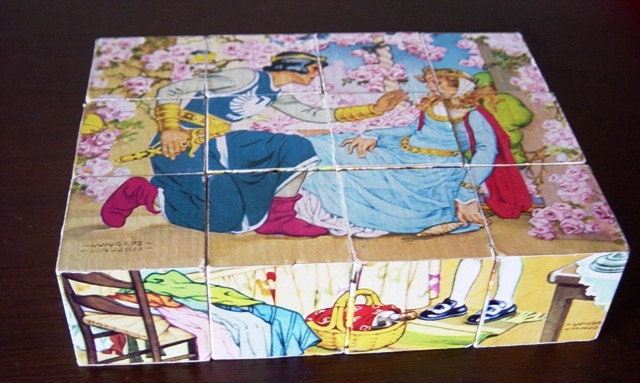
This cube puzzle is a must because I spent hours dreaming on each picture of each cube and making my own stories of the movies that I had never seen.
Freedom/Feeling independent and in control

This is freedom on the move!
Self-Taught Hunter! Learning about and respecting nature

Food is bountiful in the yard and in nature.
Parks, gardens, and yards are places where children can experience Mother Nature, and learn how resilient, interesting and yummy life can be.
People who supported me
At about 4 years of age, I enjoyed imitating old people. There is one photo where I am walking half bent over a stick, wearing a scarf, and glowing from the enjoyment of making people laugh. In fact, my mother also on the photo is watching me and someone else was taking the picture. My mother is the one who supported me throughout my childhood in play as well as academics. She also was playful and I learned from her to take joy out of anything that life brought. I remember one very special evening where my mother desperately tried every strategy to make me understand some calculation. As I started seeing the humor and feeling the embarrassment of being so stubborn in the instant, laughter got hold of me and enraged my mom. The more she became enraged, the more I laughed. We both remembered the absurdity of the situation and had a good laugh whenever we reminisced about it. I think we were able to change a potential confrontation in play time where both of us understood that the time spent together, bonding, was the gift of the moment.
In high school, my mother also supported my joining the after school drama program. Dealing with his own preconceived ideas, my father could not encourage me at first. Through theater plays, I explored personalities that contributed shaping the woman I became.
Allowing life to express itself through play is showing unconditional love.
Is play different today than it was before?
When I remember the hours spent with my cube puzzle and how this supposedly idle time developed my imagination, I wish I had been more skilled at communicating this feeling to my high school students who had difficulty creating an imaginary scene. Of course, times have changed, entertainment is readily available, and pretending that this temptation does not exist would be foolish. However, creating time and space (don’t they go together?) where children can figure out what to do is an amazing gift to them. Surely, the famous phrase “I’m bored” will be uttered, but soon enough children will be engaged in an activity of their own creation. Because they will have tapped into their own resources, children will have strengthened their self-esteem, feel proud, and have gained a sense of autonomy.
Role of play through childhood and adulthood
Play is an integral part of my day. Playing brings me laughter and harmony with my surroundings. A day without laughing or playing is a day lost to feeling in sync with the universe. Customarily, light hearted people are seen as shallow yet I am wondering if there is any truth to the other popular thought that clowns are deep thinkers .
Saturday, November 10, 2012
Relationship Reflection
"Human relationships, and the effects of relationships on relationships, are the building blocks of healthy development" (Shonkoff & Phillips, 2000, p. 4)
Just in time to prevent a marriage disaster, I attended a workshop focusing on childhood and relationships. One of the assignments required calling three people who had positively impacted my life and three people whose relationships had been negative and painful. Of these three painful relationships, I had to identify the hurt and understand the reason I allowed the hurt to occur because somewhere in the relationship would lie some medicine that could bring growth to my life. In addition, the mentor also requested that I thank these people with whom I had entertained these unkind relationships, or when it came to my brother in law I had to say “I love you”. Firmly decided to carry through with this assignment, I came back home for lunch one day to have a chance to catch my brother in law who lived in Cameroun at the time. Unexpectedly, he picked up the phone in turn surprised to hear my voice. I briefly informed him of the workshop and that I had something to tell him about our relationship. Interrupting me before I could explain exactly the purpose of my phone call, he said with his usual sarcastic demonstrations of love, or so it feels to me, “I love you too, silly”. In disbelief but alleviated from the burden of having to scorch my lips with the words I LOVE YOU to my brother in law, I considered that the universe had come to my rescue and that it was alright to vicariously complete my assignment through his words.
In the relationship described above, I learned that the pain and discomfort endured since the age of ten years old came from my inability and lack of help to sort out my feelings and emotions. Still to this day, it takes tremendous efforts to rise above feelings and emotions. Although now, feelings and emotions are consciously explored and redirected to positively affect my life. Chiefly, the scar left by this open wound pointed out that adults, parents, caregivers and teachers need to pay close attention to children’s feelings, encourage them to express their feelings, and together explore them.
On the other hand, some parents think that sheltering their children from any negative outcomes will promote self-esteem and strong personalities. In this case, it is teachers’ duty to tactfully teach both parents and children that feelings are a person’s building blocks that need examination and comprehension much like construction workers make sure that the material they use will withstand inclement weather conditions (Shonkoff & Phillips, 200).
Thanks to feedback provided by others, one can understand who they are and shape their personality. Through play, children express their understanding of how society works, experiment with personas, and little by little shape the person that they want to become. Through relationships, they learn to trust themselves and trust others.
Similarly, books offer myriads of possible relationships and connections that can bring lifelong support and/or transformative. Everyone remembers the fox in The Little Prince by Antoine de Saint-Exupéry who gave the young boy the recipe on how to develop friendship.
Most importantly, I am deeply engaged in relationships with my husband and my daughter. Even though these relationships have been built over a long period of time, they require “Tender Loving Care” because they have become rich and we all hope that we have learned from past mistakes.
When our daughter entered her teenage years, my husband and I differently perceived how we could help her. Tensions started to build between the two of us and divorce was looming in the horizon. Our relationship was saved because we both decided to work on our very relationship as its own entity. Since then, we have supported each other in fulfilling our lives. In other terms, we outgrew our childhood and started to relate as respectful adults. This relationship brings me trust, support, love and care.
Subscribe to:
Posts (Atom)